


Views: 0 Author: Site Editor Publish Time: 2026-10-15 Origin: Site


Microscopic structural failures in flexible packaging often go undetected until post-distribution product spoilage occurs, making barrier integrity a massive vulnerability in supply chain management. Even sub-micron defects like metallized film pinholes compromise the oxygen and moisture barriers of flexible packaging, leading to accelerated product degradation, costly recalls, and failed compliance with shelf-life specifications. Mitigating these failures requires a rigorous approach to material specification, understanding the mechanical limits of substrates, and implementing standardized stress-testing protocols before finalizing Metallized Packaging Film procurement. We must move beyond theoretical flat-sheet data and evaluate how materials perform under real-world transit stress. This means analyzing the root causes of metal layer fractures, from vacuum chamber anomalies to aggressive conversion processes, and engineering lamination structures that can withstand the physical abuse of modern distribution networks.
Barrier Degradation is Non-Linear: A minimal increase in flex cracks or flex-induced pinholes can cause exponential spikes in Oxygen Transmission Rates (OTR) and Moisture Vapor Transmission Rates (MVTR).
Root Causes Span the Lifecycle: Defects originate from three distinct phases: manufacturing anomalies (coating voids), the conversion process (abrasion, snagging, puncture), and transit stress (vibration and flexing).
Material Selection Dictates Resilience: The choice of base substrate (e.g., PET vs. OPP), metallization adhesion levels, and multilayer lamination structure directly determines a film’s resistance to flex cracking.
Standardized Testing is Mandatory: Relying solely on flat-sheet barrier data is insufficient; evaluating post-flex barrier performance and pinhole proliferation (e.g., Gelbo Flex Testing) is essential for realistic performance forecasting.
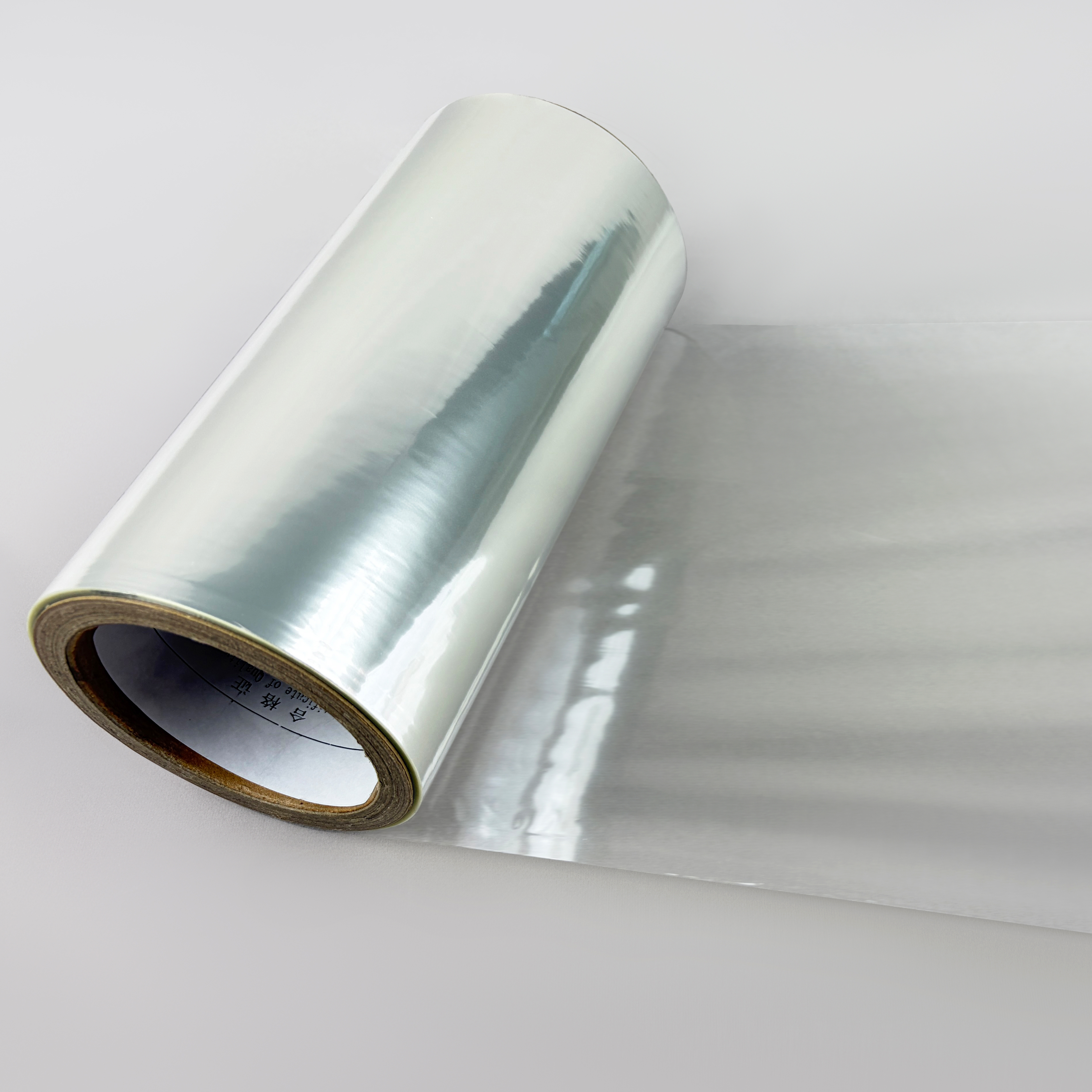
Establishing a baseline requirement for maintaining an uninterrupted metal deposition layer is the foundation of flexible barrier design. This continuity dictates the target barrier performance in any Metallized Packaging Film. A continuous aluminum layer, even at thicknesses measured in angstroms, blocks gas and moisture effectively. Any disruption compromises the entire packaging structure. Success in packaging engineering means minimizing these disruptions throughout the product lifecycle. You must ensure the metal layer remains intact from the vacuum metallization chamber, through the printing and lamination presses, and ultimately into the consumer's hands.
Manufacturing pinholes are microscopic, deep voids extending down to the base polymer substrate. They originate during the coating or metallization process. Common culprits include escaping solvents, trapped air, or moisture outgassing from the polymer during the vacuum phase. Uneven metal deposition also creates localized thin spots that easily turn into voids. Flex cracks are mechanical fractures. They occur when the rigid, brittle metal layer separates or breaks because the underlying flexible substrate bends, folds, or stretches beyond the metal's yield point.
Mechanical stress does not just cause straight, linear cracks across the web. Repeated flexing initiates new, microscopic pinholes throughout the stressed area. These micro-voids multiply rapidly under continuous movement. A single fold on a packaging line might create one micro-fracture. Continuous transit vibration inside a shipping truck turns that single fracture into a dense cluster of pinholes. This exponential growth destroys barrier integrity much faster than a single linear tear, as it creates a porous network across the film surface.
The metal-to-polymer bond faces extreme tensile and compressive forces during web handling and transit. Polymer substrates like PET or OPP stretch and bend easily. The thin aluminum layer deposited on top cannot stretch. This mechanical mismatch causes the rigid metal layer to fracture under strain. Repeated movement propagates these initial micro-fractures. Eventually, flex-induced pinholes become full-layer breaches. The barrier fails completely as the metal layer flakes off or separates from the polymer base, leaving only the highly permeable plastic behind.
Correlating specific defect types with measurable barrier failures reveals the true impact of mechanical damage. A single microscopic pinhole might seem insignificant during a visual light-box inspection. However, physics dictates that gases funnel through these micro-breaches at high velocities. We evaluate this degradation using Oxygen Transmission Rate (OTR) and Moisture Vapor Transmission Rate (MVTR) metrics. Tracking these metrics post-handling reveals the direct correlation between physical web damage and severe shelf-life reduction.
Theoretical barrier failure of a bare metallized film looks catastrophic on paper. Practical performance of multilayer flexible packaging differs slightly but remains highly problematic. Adjacent polymer layers in a laminate offer limited secondary protection against physical abrasion. However, they cannot stop gas transmission once the metal layer is breached. The metal is the primary active barrier. Once compromised, the surrounding polyethylene or sealant layers only slow the inevitable ingress of oxygen and moisture by a negligible margin.
Microscopic metallized film pinholes act as direct channels for oxygen ingress. Oxygen-sensitive products suffer immediately upon exposure. Roasted coffee loses its volatile aroma compounds and turns stale rapidly. Snack foods containing oils experience rapid lipid oxidation, losing their crispness and becoming rancid. Pharmaceuticals face active ingredient degradation, rendering them chemically ineffective. Even a sub-micron breach causes exponential OTR spikes that ruin product quality long before the printed expiration date.
Moisture transfer through flex cracks and pinhole clusters ruins dry goods quickly. Moisture enters the package through these micro-breaches, driven by the differential in environmental humidity. This leads to severe clumping in powdered products like infant formula or whey protein. Dry snacks become soggy and unpalatable. Active ingredients in dry pharmaceutical powders degrade rapidly upon moisture exposure. Controlling MVTR is absolutely critical for maintaining product stability, texture, and chemical efficacy.
Barrier loss directly and severely shortens expiration dates for food and consumer goods. A product engineered for a 12-month shelf life might fail in three months if the film suffers transit-induced flex cracking. Compliance risks for medical device and sterilization packaging are even more severe. Even sub-micron breaches violate strict ISO 11607 sterile barrier safety standards. A compromised sterile barrier requires immediate product recall, triggers regulatory audits, and directly risks patient safety in clinical environments.
Vulnerabilities are introduced at multiple stages during production and distribution. Identifying these weak points is the first step in mitigation. You must track the film's journey from the metallization chamber, through the slitter, onto the printing press, and finally to the retail shelf. Each handling step introduces unique mechanical stresses. Understanding these realities allows packaging engineers to implement targeted quality control measures and specify tougher lamination structures.
Defects often start inside the vacuum metallization chamber. Trapped air or escaping solvents create microscopic craters in the metal layer. Moisture outgassing from the polymer substrate during the vacuum phase disrupts the aluminum deposition process. Uneven vacuum metallization leaves localized thin spots across the web width. These thin spots are highly susceptible to becoming full pinholes under minimal mechanical stress during subsequent lamination or pouch-forming processes.
The conversion process is inherently harsh on metallized films. Abrasion occurs constantly as the web moves over numerous idler rollers and heated nip rollers. Snagging happens during high-speed slitting operations if blades are dull. Localized puncture is a significant risk during pouch-forming, especially when the film is pulled over forming collars. Printing presses and laminators apply fluctuating web tension that easily initiates micro-fractures in the brittle metal layer if tension zones are not perfectly synchronized.
Transit stress is a major, often overlooked contributor to flex cracking. Continuous vibration during shipping causes repeated, aggressive package movement. Excessive headspace allows the film to fold, whip, and crease constantly inside the corrugated shipping carton. This continuous dynamic movement initiates thousands of new pinholes. The longer the transit route, and the rougher the road conditions, the greater the cumulative barrier degradation experienced by the Metallized Packaging Film.
Specify more resilient packaging structures using actionable, data-driven frameworks. Do not rely on a single defensive layer to protect your product. Combine intelligent substrate selection, proper adhesion promotion, and optimized package design. A holistic approach to material architecture is the only way to combat mechanical degradation effectively and ensure the product survives the modern supply chain.
Compare the inherent flex resistance of common packaging substrates. Metallized biaxially oriented PET (BOPET) generally offers superior tensile strength and flex resistance compared to Metallized OPP or CPP. Surface treatment before metallization is critical for success. Plasma or corona treatments chemically alter the substrate surface energy to improve aluminum adhesion. Stronger metal-to-polymer adhesion reduces flex-induced pinholing significantly by preventing the metal layer from flaking off during bending.
Multilayer laminations encapsulate and protect the fragile metallized layer. They defend against external abrasion and snagging during the conversion process. Burying the metal layer between tough polymers like oriented nylon or heavy-duty polyethylene increases overall durability. Flexible barrier coatings act as a robust supplement to metallization. Applying a primer or a barrier topcoat provides a secondary defense line if the primary metal layer fractures under stress.
Reducing excess air in the package physically limits material movement. Less headspace means the material cannot fold, crease, or vibrate as violently during transit. A tighter, well-fitted package experiences significantly fewer flex cycles.
Audit current fill volumes to identify packages with excessive air gaps.
Adjust forming collars and sealing jaws to minimize trapped ambient air.
Implement nitrogen flushing systems that precisely control internal pressure without over-inflating the pouch.
Redesign secondary packaging (cartons) to restrict the movement of primary pouches during pallet vibration.
Conduct drop tests to verify that the reduced headspace prevents the film from whipping and creasing upon impact.
Validate film durability using empirical, industry-recognized methods. Do not guess or rely on visual inspections alone. Use standardized testing protocols to compare different film structures objectively. Rigorous testing separates robust materials from those that will fail in the field. Establishing a strict QA framework ensures that every roll of film meets the exact barrier requirements necessary for your specific product.
Gelbo Flex Testing accurately simulates transit and handling stress. The machine twists and compresses the film repeatedly in a controlled environment, typically applying a 440-degree twist over a 155 mm stroke. This test reveals exactly how the metal layer handles mechanical abuse. However, you must understand its limitations. It is an accelerated test designed to force failure. Interpret the results carefully for real-world application mapping, choosing the correct condition (e.g., Condition A for full stress vs. Condition E for lighter stress) based on your distribution model.
Measuring OTR/MVTR before flexing is highly misleading. You must measure gas permeability strictly after flex testing. This methodology accounts for the real-world impact of flex-induced pinholes. Virgin material data looks excellent on a specification sheet but does not reflect post-transit reality. Post-flex data shows the true, degraded barrier performance your product will actually experience on the retail shelf.
Visually or microscopically quantify pinhole density to understand failure modes. Track the exponential increase in pinhole count post-flexing. Light box testing highlights macroscopic breaches quickly across a wide web. Dye penetration tests reveal microscopic pinholes that evade naked-eye inspection. These techniques provide concrete, quantifiable data on structural degradation, allowing engineers to pinpoint exactly where the lamination structure is failing.
| Testing Method | Primary Objective | Application Phase | Key Metric Evaluated |
|---|---|---|---|
| Gelbo Flex Testing (ASTM F392) | Simulate transit and handling stress | Pre-qualification / R&D | Physical durability and crack resistance |
| Post-Flex OTR/MVTR Analysis | Measure actual barrier loss after stress | Quality Assurance | Gas and moisture transmission rates |
| Light Box & Dye Penetration | Quantify pinhole density visually | Production / Post-conversion | Number of breaches per square meter |
| Optical Density (OD) Scanning | Verify metal layer thickness consistency | Inline Metallization | Uniformity of aluminum deposition |
| Peel Strength Testing | Evaluate metal-to-polymer adhesion | Post-Lamination | Force required to separate layers |
Eliminating 100% of metallized film pinholes and flex cracks may be mechanically impossible given the realities of modern distribution. However, strategic material selection and rigorous post-flex testing reduce barrier degradation to acceptable tolerances. Prioritize suppliers who provide comprehensive post-flex OTR/MVTR data rather than just virgin material specs. Choose manufacturing partners demonstrating strict conversion quality controls to prevent abrasion and snagging.
Audit your current film specifications to evaluate baseline flex resistance and substrate suitability.
Request standard Gelbo flex test results from your packaging suppliers immediately to establish a performance baseline.
Evaluate headspace optimization across all your automated filling lines to reduce internal film whipping.
Implement post-flex gas permeability testing in your internal QA protocols to simulate real-world transit damage.
Conduct a physical audit of your converter's web handling and tension control systems.
A: Manufacturing pinholes typically result from coating voids, trapped air, or escaping solvents and moisture outgassing during the vacuum process. Uneven metal deposition inside the vacuum chamber also creates thin spots that easily develop into microscopic voids under minimal mechanical stress.
A: Repeated flexing creates linear flex cracks and initiates microscopic pinholes in the metallized layer. Continuous movement during transit exponentially increases the number of these pinholes, leading to severe and rapid barrier degradation across the entire package surface.
A: Foil is a solid sheet of aluminum highly prone to dead-folding cracks and macroscopic pinholes when creased. Metallized films feature a microscopic layer of vaporized aluminum deposited on a polymer substrate, making them more flexible but still susceptible to stress-induced micro-fractures.
A: Adjacent polymer layers offer limited secondary protection against physical damage and abrasion. However, standard polymers cannot stop gas or moisture transmission once the primary metal barrier is breached by pinholes or flex cracks.
A: Flat-sheet data only measures the barrier of undamaged, virgin material straight off the roll. Post-flex testing accounts for the mechanical stress and flex-induced pinholes that occur during real-world transit, providing an accurate measure of actual barrier performance.


